Everything You Need to Know About TOP Y MACHINERY Potato Chips VFFS Packing Machines for Snack Packaging.
- Share
- Issue Time
- Jun 2,2026
Summary
This article delves into the critical role of Vertical Form Fill Seal (VFFS) packing machines in the modern potato chip industry, highlighting their significance for efficient, high-quality snack packaging. It emphasizes that in a competitive global market, the freshness, crunch, and presentation of potato chips are paramount, making advanced packaging solutions like VFFS indispensable.
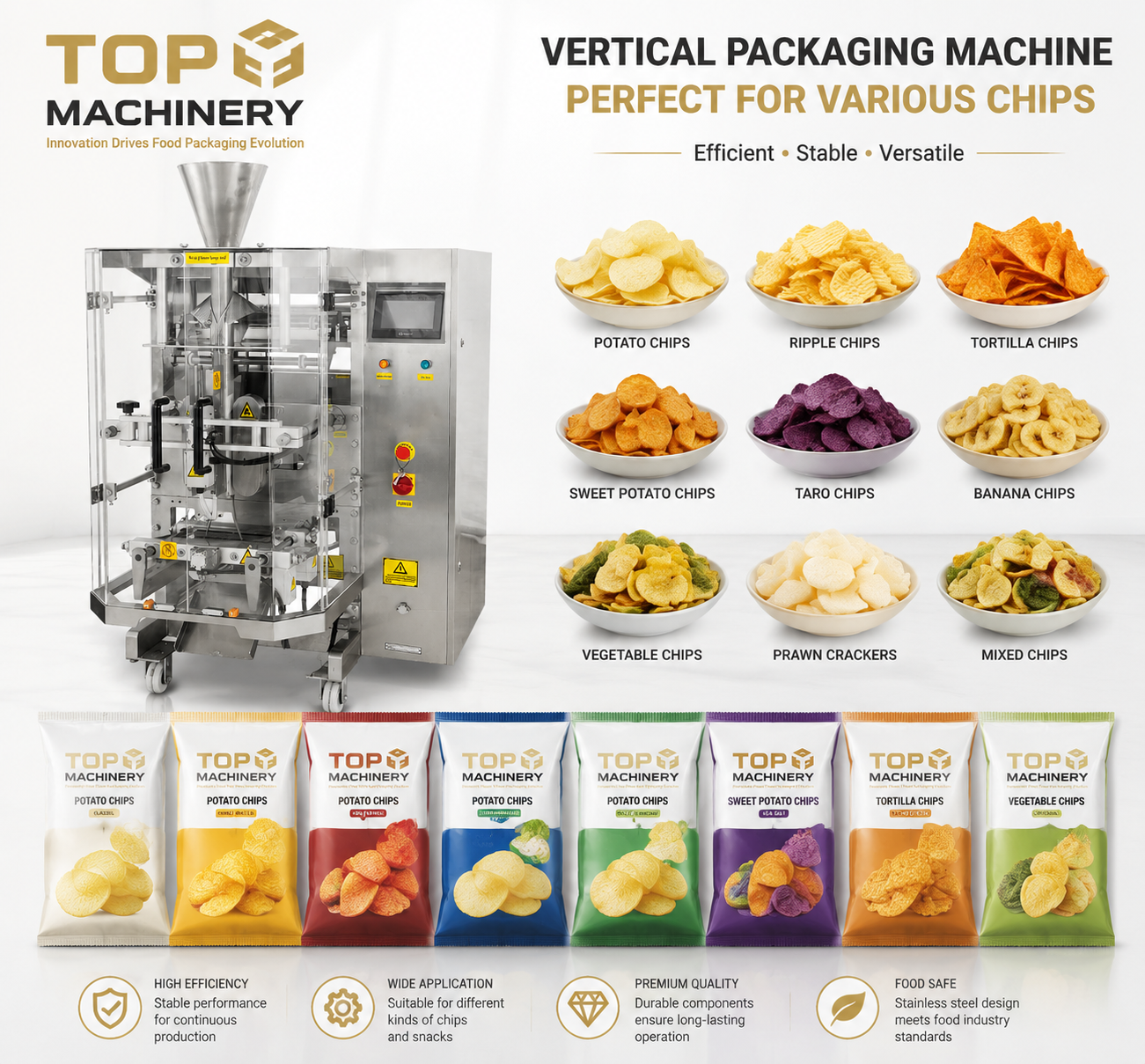
As snack producers, we at TOP Y MACHINERY know that delivering delicious potato chips that are fresh and appealing is a top priority. In today's competitive market, the crunch, flavor, and presentation of your product are what set you apart. The global potato chips market is projected to reach tens of billions of dollars, driven by consumer demand for convenience and new flavors, making production efficiency more critical than ever.
Today, we're diving deep into the world of the Potato Chips Packing Machine, specifically the Vertical Form Fill Seal (VFFS) technology that stands as the backbone of modern snack packaging. This advanced machinery is the key to transforming your high-quality chips from bulk production into perfectly sealed bags, ready for your customers.
Let's explore how these machines are not just a part of the production line, but a strategic asset that enhances efficiency, ensures product integrity, and boosts your brand's reputation from the factory floor to the store shelf.
Key Takeaways
- Automation is Key: VFFS machines automate the entire packaging process—forming, filling, and sealing—in one seamless, vertical motion, dramatically increasing production speed and reducing labor costs.
- Precision and Efficiency: By integrating with multi-head weighers, these machines ensure extremely accurate filling, which minimizes product giveaway, reduces waste, and guarantees consistency in every bag.
- Cost Reduction: Using rollstock film, which is 20-40% cheaper than pre-made bags, and minimizing waste through precise operation provides a significant return on investment.
- Versatility and Quality: Modern VFFS machines can handle a wide variety of bag styles (pillow, gusseted, quad-seal) and film materials, ensuring your packaging is not only functional but also visually appealing and preserves freshness.
- Strategic Partnership: Choosing the right machine and partner, like TOP Y MACHINERY, is crucial for tailoring a solution that fits your specific product, production volume, and business goals.
The Heart of Snack Packaging: Understanding Your Potato Chips VFFS Packing Machine
In the fast-paced snack food industry, efficiency and consistency are paramount. The Vertical Form Fill Seal (VFFS) machine is a cornerstone of modern packaging operations, automating what was once a labor-intensive process into a high-speed, streamlined workflow. This technology is not just about bagging chips; it's about preserving their quality, ensuring accurate portions, and preparing them for a competitive retail environment.
How Our VFFS Machines Automate Potato Chip Packaging
A VFFS Packing Machine is an engineering marvel that performs three critical tasks in one continuous, vertical sequence: forming the bag, filling it with product, and sealing it shut. The entire process is a masterclass in automation, designed for speed and precision. Here’s a step-by-step breakdown of how it brings a bag of potato chips to life:
Film Unwinding and Transport: The process begins with a large roll of packaging film loaded onto the machine. A sophisticated system of rollers and tensioners, often servo-driven, unwinds the film and guides it smoothly into the machine, ensuring it remains perfectly aligned and free of wrinkles. For printed films, a photo-eye or registration sensor detects marks on the film to guarantee that graphics and branding are perfectly centered on each finished bag.
Bag Forming: The flat film then travels over a "forming collar," a specially designed shoulder that folds the film around a "forming tube". This action shapes the flat sheet into a hollow, continuous tube of film. The diameter of the forming tube determines the width of the final bag, and this component can be easily swapped out to produce different bag sizes.
Vertical Sealing: As the film tube moves downward, a pair of heated vertical sealing bars clamp together on the overlapping edges of the film. This creates the longitudinal "back seal" that runs down the length of the bag, turning the wrap of plastic into a securely sealed tube.
Product Filling: This is where the chips make their entrance. Positioned above the forming tube is a highly accurate dosing system, typically a multi-head weigher for fragile products like potato chips. The weigher calculates the precise target weight of chips and drops them through the hollow forming tube into the waiting bag below. This synchronization is critical to prevent product breakage and ensure consistent fill levels.
Horizontal Sealing and Cutting: Once the chips are inside, a set of horizontal sealing jaws does double duty. They clamp shut to seal the top of the filled bag and simultaneously form the bottom seal of the next bag above it. A knife integrated within these jaws then cuts the completed bag free, which drops onto a conveyor belt for its journey to a shipping case.
This entire cycle repeats continuously at impressive speeds, with some machines capable of producing anywhere from 40 to over 120 bags per minute, depending on the machine configuration and product. The result is a fully automated process that reliably and efficiently packages your potato chips.
Key Benefits for Enhancing Your Potato Chip Production Line
Integrating an automated Potato Chips Packing Machine isn't just an upgrade; it's a strategic investment that delivers tangible returns across your entire operation. Automation addresses long-standing manufacturing challenges like cost control, accuracy, and speed. Here’s how a VFFS solution can revolutionize your production line.
Core Advantages of VFFS Automation
| Benefit | Description | Impact on Production |
|---|---|---|
| Increased Production Speed | VFFS machines operate in a continuous, high-speed motion, capable of packaging up to 120 bags per minute or more. This automated output far surpasses any manual or semi-automatic methods. | Enables manufacturers to meet high consumer demand, fulfill large orders faster, and reduce overtime expenses. |
| Reduced Labor Costs | A single operator can oversee the function of one or even multiple VFFS machines simultaneously. This significantly reduces the need for manual labor in repetitive packaging tasks. | Frees up employees for more value-added roles like quality control, maintenance, and logistics, leading to a more optimized and efficient workforce. |
| Lower Packaging Material Costs | These machines use rollstock film, which is typically 20-30% less expensive than purchasing pre-made bags or pouches. | Directly lowers the cost per package, contributing to a healthier bottom line and a faster return on investment (ROI). |
| Enhanced Filling Accuracy | When paired with a multi-head weigher, a VFFS system ensures each bag is filled with a precise amount of product, minimizing over- and under-filling. | Prevents product giveaway, reduces material waste, and builds consumer trust by delivering a consistent product every time. |
| Improved Product Protection | The automated sealing process creates strong, reliable seals that protect chips from moisture, air, and contamination. This is often enhanced with nitrogen flushing to displace oxygen. | Extends shelf life, preserves freshness and crispness, reduces spoilage, and ensures the product reaches the consumer in perfect condition. |
| Operational Versatility | Modern VFFS machines are highly flexible, allowing for quick changeovers between different bag sizes and styles (e.g., pillow, gusseted). | Allows brands to easily introduce new product sizes or special promotions without needing to invest in entirely new machinery, enhancing market agility. |
| Compact Footprint | The vertical design of these machines requires significantly less floor space compared to horizontal packaging systems. | Optimizes factory layout, making it an ideal solution for facilities where space is at a premium. |
By leveraging these benefits, snack food manufacturers can achieve a more efficient, cost-effective, and consistent production line, ultimately strengthening their competitive advantage in the market.
Perfecting Your Package: Film, Design, and Versatility with VFFS for Potato Chips
A successful potato chip package does more than just hold the product. It must act as a fortress, preserving the chip's signature crunch and flavor while also serving as a billboard for your brand on a crowded shelf. The synergy between the packaging film, the bag's design, and the machine's capabilities is what turns a good product into a great one. Achieving this perfection requires careful consideration of materials, aesthetics, and functionality.
Crucial Film Specifications for Seamless Operation
The packaging film is the lifeblood of the VFFS process. Its properties directly influence not only the shelf life of your potato chips but also the efficiency and reliability of your entire packaging line. Selecting the right film involves a detailed look at its technical specifications to ensure it runs smoothly on the machine.
Key specifications to consider include:
- Thickness and Stiffness: The film must be stiff enough to form properly around the forming tube without wrinkling but flexible enough to create tight seals. Thickness, typically measured in mils or microns, affects the film's strength and barrier properties.
- Coefficient of Friction (COF): This determines how the film moves over the machine's surfaces. The right COF ensures the film travels smoothly without slipping or sticking, which is critical for maintaining consistent bag length and production speed.
- Sealability: The inner layer of the film must be designed to melt and fuse at a specific temperature range. A wide sealing window is beneficial, as it allows the machine to create strong, consistent seals even with minor fluctuations in temperature, pressure, or machine speed.
- Tensile Strength and Puncture Resistance: Potato chips have sharp edges that can puncture weak films during filling and transit. A film with high tensile and puncture resistance is essential to prevent bag failures and product loss.
Material Choices to Guarantee Potato Chip Freshness
The primary enemy of a crispy potato chip is moisture, followed closely by oxygen and light, which can cause the oils to turn rancid and spoil the flavor. The choice of film material is therefore critical for creating a protective barrier against these elements.
Common materials used for snack food packaging include:
- Polypropylene (PP): Especially Biaxially Oriented Polypropylene (BOPP), is a favorite for snack food packaging due to its excellent clarity, gloss, and stiffness. It provides a good moisture barrier, which is essential for keeping chips crisp.
- Polyethylene (PE): Often used as the inner sealant layer in a multi-layer film. It is flexible and creates strong, reliable heat seals.
- Polyester (PET): Valued for its strength, heat stability, and excellent barrier properties against gases. It often serves as the durable outer layer that is perfect for high-quality printing.
- Metallized Films and Foils: For the highest level of protection, a micro-thin layer of aluminum is applied to a film (like PET or PP). This process creates a metallized film that offers a superior barrier against light, oxygen, and moisture, dramatically extending the product's shelf life. Aluminum foil can also be used as a distinct layer in a laminate structure for maximum protection.
Most modern potato chip bags use a laminated multi-layer film that combines the strengths of these different materials. A typical structure might involve an outer PET layer for printability and strength, a middle metallized layer for barrier protection, and an inner PE or CPP layer for sealing. This engineered approach ensures your chips stay fresh from your factory to the consumer's pantry.
Ensuring Flawless Bag Aesthetics with Registration Marks
In a competitive retail environment, branding is everything. The graphics, logos, and information printed on your packaging must be perfectly aligned on every single bag. This is achieved using registration marks, also known as eye marks.
A registration mark is typically a small, solid rectangle printed in a contrasting color along the edge of the film. Here’s its crucial role:
- Synchronization: An optical sensor on the VFFS machine detects this mark as the film is pulled through.
- Position Control: The sensor's signal tells the machine's control system the precise position of the printed design.
- Precise Cutting: This allows the machine to know exactly when to make the horizontal seal and cut, ensuring that the cut happens in the same spot on every bag.
Without these marks, the artwork would "drift," resulting in misaligned graphics and off-center logos, leading to wasted materials and a highly unprofessional appearance. Accurate registration is fundamental to producing high-quality, retail-ready packaging that reinforces brand identity.
Expanding Your Bag Styles and Functionality
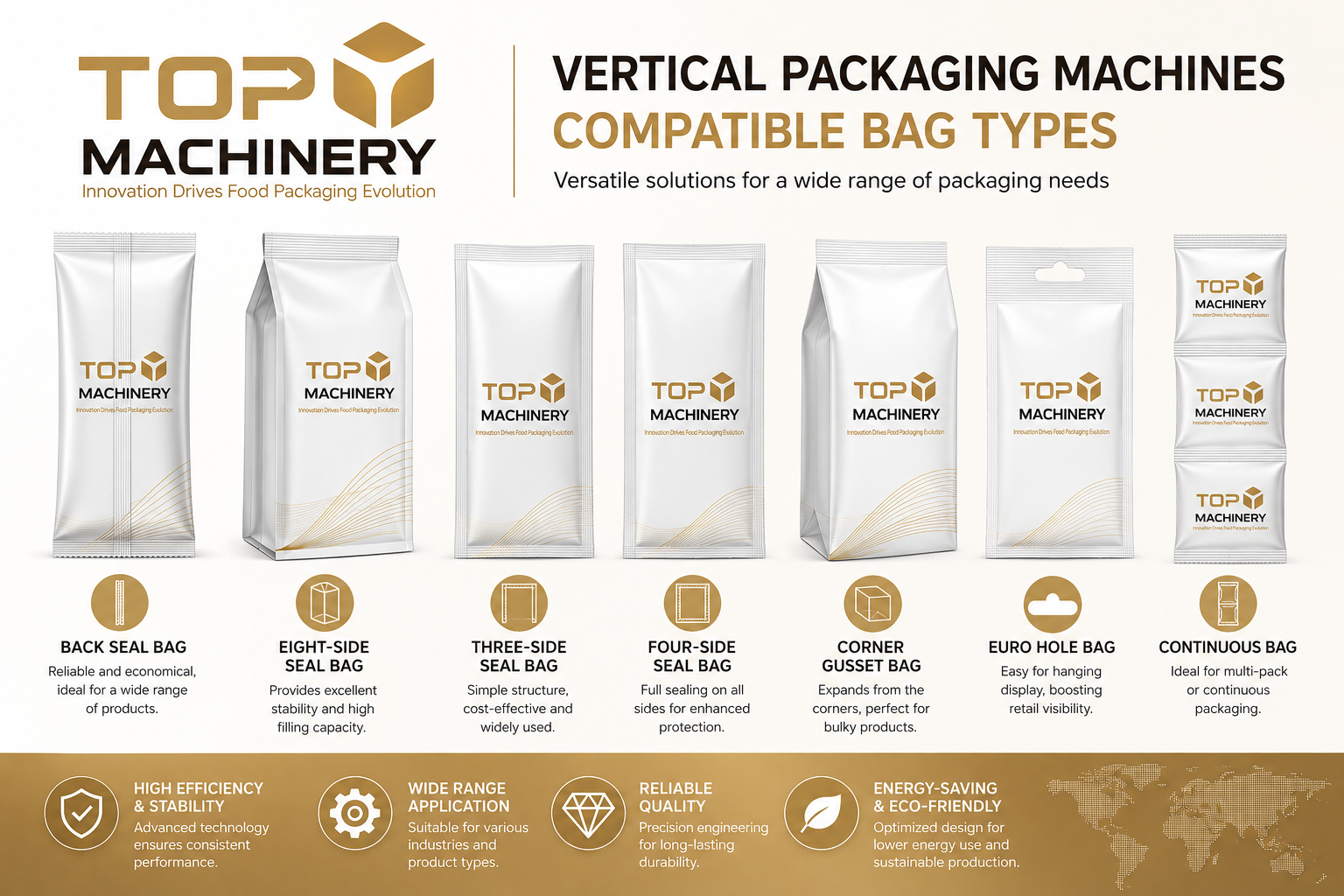
One of the greatest advantages of modern VFFS technology is its versatility. With simple adjustments and changes to the forming assembly, a single machine can produce a wide variety of bag styles to suit different products, branding strategies, and consumer preferences.
Here are some of the most popular bag styles achievable with a VFFS machine:
- Pillow Bag: This is the most common and economical style for potato chips. It consists of a top and bottom horizontal seal and a single vertical seal down the back, resembling a pillow when filled.
- Gusseted Bag: This style features folds on the sides of the bag (gussets) that expand when filled. This provides a more structured, box-like shape, allowing for increased fill volume and better shelf presence, as they can sometimes stand on their own.
- Quad Seal Bag: This premium bag style features seals on all four corners, creating a distinct, rectangular shape that is very stable and stands up perfectly on shelves. It offers four clean panels for branding and is often used for heavier or premium products.
- Flat-Bottom (or Block-Bottom) Bag: Combining the features of a quad seal bag with a completely flat bottom, this style offers maximum stability and a premium, box-like appearance that maximizes shelf appeal.
Beyond the basic shape, functionality can be added to enhance the consumer experience, such as:
- Easy-Tear Notches: Small slits that make the bag easy for consumers to open without requiring scissors.
- Hanging Holes: For retail display on peg hooks.
- Resealable Zippers: A highly popular feature that allows consumers to reseal the bag after opening, maintaining freshness and convenience.
The ability to create multiple bag types on one machine gives you the flexibility to adapt to changing market trends and product line expansions, making your VFFS machine a future-proof investment.
Partnering with TOP Y MACHINERY: Choosing Your Ideal Potato Chips VFFS Packing Machine
Selecting a VFFS Packing Machine is a significant capital investment that will shape your production capabilities for years to come. It’s more than just a purchase; it’s a partnership. The right manufacturer doesn't just sell you equipment—they provide a comprehensive solution designed to meet your unique needs and support your growth. At TOP Y MACHINERY, we believe in building these long-term partnerships.
Tailoring a Solution for Your Unique Business Needs
No two snack businesses are exactly alike. A startup has vastly different needs than a large, multinational corporation. Recognizing this, the selection process for a Potato Chips Packing Machine must be a consultative journey. A tailored solution is essential for maximizing efficiency and ensuring a strong return on investment.
When choosing a machine, several key factors must be considered to create a package that is perfectly suited to your business:
- Product Characteristics: Potato chips are fragile and lightweight. The machine, especially the integrated filling system (like a multi-head weigher), must be designed for gentle handling to minimize breakage.
- Production Volume and Speed: Your required output, measured in bags per minute (BPM), will determine whether an intermittent or continuous motion VFFS machine is the right fit. For startups, a machine producing 40-70 BPM may be ideal, while large-scale operations might require speeds of 120 BPM or more.
- Packaging Styles and Sizes: Do you plan to offer single-serving pillow bags, family-size gusseted bags, or premium quad-seal bags? A versatile machine that can handle multiple formats with minimal changeover time provides crucial flexibility for future product launches.
- Factory Footprint: VFFS machines are known for their space-saving vertical design. We assess your available floor space to recommend a model with a compact footprint that integrates seamlessly into your existing production line.
- Budget and Total Cost of Ownership: The initial purchase price is only part of the equation. We help you evaluate the total cost of ownership, which includes operational costs, maintenance requirements, and potential savings from reduced labor and material waste.
By analyzing these factors, we can configure a VFFS system with the right forming tube, filler, sealing jaws, and software to create a truly customized packaging solution that aligns with your specific goals.
Why Our Expertise Makes the Difference
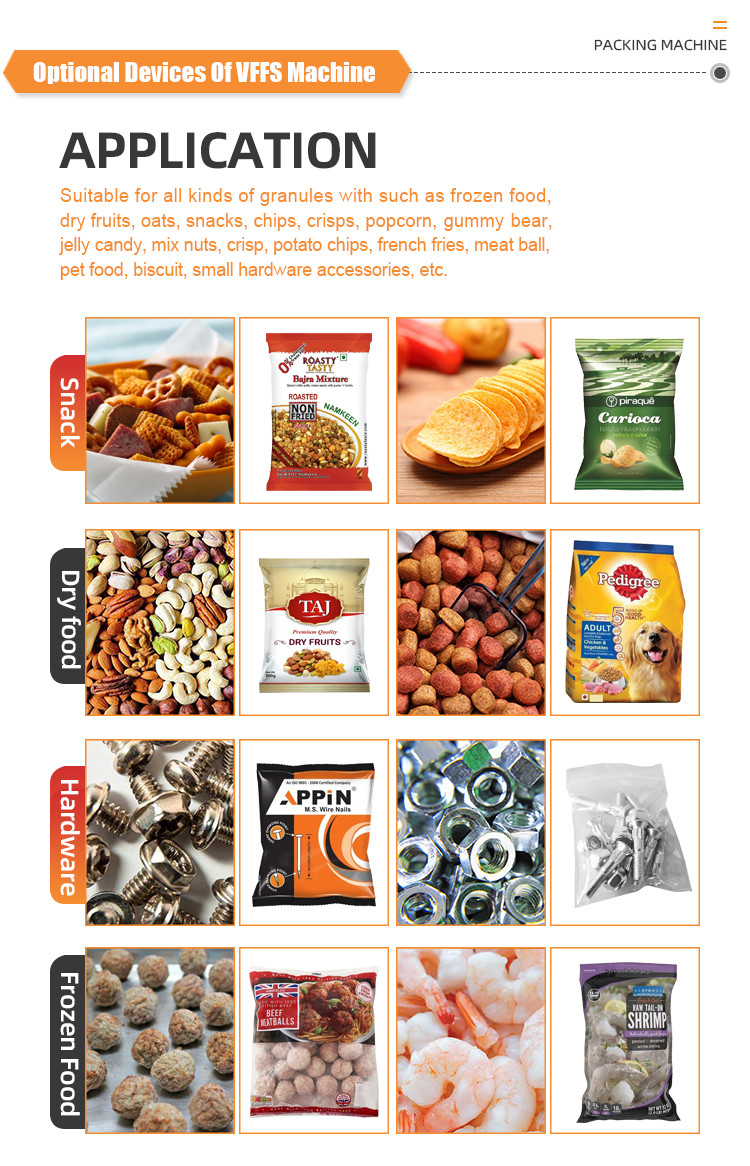
In a market filled with options, the expertise and reliability of your machinery partner are what truly set you up for success. Simply buying the "cheapest" or "fastest" machine without proper guidance can lead to costly downtime, inefficient operation, and a solution that fails to meet your long-term needs.
Here’s why partnering with an experienced manufacturer like TOP Y MACHINERY is a strategic advantage:
- Deep Industry Knowledge: We specialize in the snack food industry. We understand the nuances of packaging delicate products like potato chips, from ensuring proper nitrogen flushing to maintain crispness to selecting films that prevent breakage.
- Quality and Reliability: Our machines are built with high-quality components, like food-grade stainless steel and reliable controls, to ensure durable, long-lasting performance. An established manufacturer adheres to strict quality control standards, minimizing the risk of breakdowns and production interruptions.
- Customization and Integration: Our engineering team has the expertise to customize every aspect of the packaging line. We can seamlessly integrate our VFFS machines with upstream and downstream equipment, such as multi-head weighers, conveyors, case packers, and palletizers, to create a fully automated and efficient end-to-end solution.
- Comprehensive Support and Training: A partnership extends far beyond the sale. We provide thorough training for your operators to ensure they can run the machinery efficiently and safely. Our technical support team is always available to assist with maintenance and troubleshooting, minimizing downtime and protecting your investment.
- Future-Proofing Your Investment: We design our machines with scalability in mind. As your business grows, our versatile and modular systems can be adapted to accommodate higher speeds, different bag styles, or new products, ensuring your investment remains valuable for years to come.
Choosing the right partner is just as important as choosing the right machine. By working with a reliable and knowledgeable supplier, you gain more than just equipment; you gain a dedicated team committed to helping your business thrive.
Frequently Asked Questions (FAQ)
1. What is the typical speed of a potato chip VFFS packing machine? The speed, measured in bags per minute (BPM), can vary significantly based on the machine model, bag size, and product type. Entry-level intermittent motion machines often run between 40-70 BPM, which is a great starting point for many businesses. High-speed continuous motion machines can exceed 120 BPM, making them suitable for large-scale production demands.
2. How does the machine prevent the potato chips from breaking during packaging? This is a critical function achieved through several design features. The product drop height is minimized, and the transition from the multi-head weigher into the bag is designed to be as gentle as possible. Additionally, the timing between filling and sealing is precisely controlled to avoid crushing chips in the seal area. Some advanced systems also use specific channeling to guide the chips smoothly into the bag.
3. Can one VFFS machine handle different bag sizes and styles? Yes, versatility is a key advantage of modern VFFS machines. By changing the forming tube and adjusting the machine's settings (often through a simple touchscreen interface), you can produce different bag widths and lengths. Many machines can also be equipped with optional kits to create various bag styles, such as pillow bags, gusseted bags, and quad-seal bags, all on one platform. This flexibility allows you to adapt to new products or marketing campaigns without purchasing new machinery.
4. What is nitrogen flushing and why is it important for potato chips? Nitrogen flushing, a form of Modified Atmosphere Packaging (MAP), is the process of injecting inert nitrogen gas into the bag just before the final seal. This displaces oxygen, which is a primary cause of food spoilage. For potato chips, removing oxygen prevents the oils from becoming rancid and keeps the chips from going stale, significantly extending shelf life and preserving their fresh, crispy taste.
5. What kind of maintenance is required for a VFFS machine? Regular maintenance is crucial for ensuring longevity and optimal performance. This typically includes daily cleaning, regular inspection of wear parts like sealing jaws and cutting knives, and periodic lubrication of moving components. Partnering with a supplier like TOP Y MACHINERY ensures you receive a detailed maintenance schedule and access to technical support and spare parts to keep your line running smoothly.
Conclusion
In summary, a top-tier VFFS Packing Machine is foundational for any snack producer aiming for efficient, consistent, and appealing packaging. Throughout this guide, we've highlighted how this technology is more than just a machine—it's a complete system where precision engineering, appropriate film selection, and versatile capabilities converge to deliver perfectly packaged potato chips every time. From the cost savings of using rollstock film to the brand-enhancing potential of flawless bag aesthetics, the benefits are clear.
We've explored how crucial elements like strong barrier films, accurate registration marks, and the flexibility to produce various bag styles all play a vital role in preserving freshness and capturing consumer attention. By automating the entire process, these machines not only boost production speed but also reduce labor costs and minimize waste, offering a significant return on investment.
Let TOP Y MACHINERY be your expert partner in navigating the complexities of snack packaging. We are dedicated to helping you find the ultimate Potato Chips Packing Machine solution tailored to your unique requirements, propelling your snack business forward into a future of efficiency and success.
We encourage you to share this guide with your network and start a conversation about how you can elevate your own packaging operations.