How to Choose the Best Small Pouch Packing Machine for Your Needs – A TOP Y MACHINERY Guide
- Share
- Issue Time
- Apr 16,2026
Summary
This TOP Y MACHINERY guide details how to choose the best small pouch packing machine. Learn to overcome manual inefficiencies, evaluate key features like compact design and versatility, and select the right pouch type. Make a smart investment by assessing production capacity, material compatibility, and total cost of ownership for sustainable business growth.
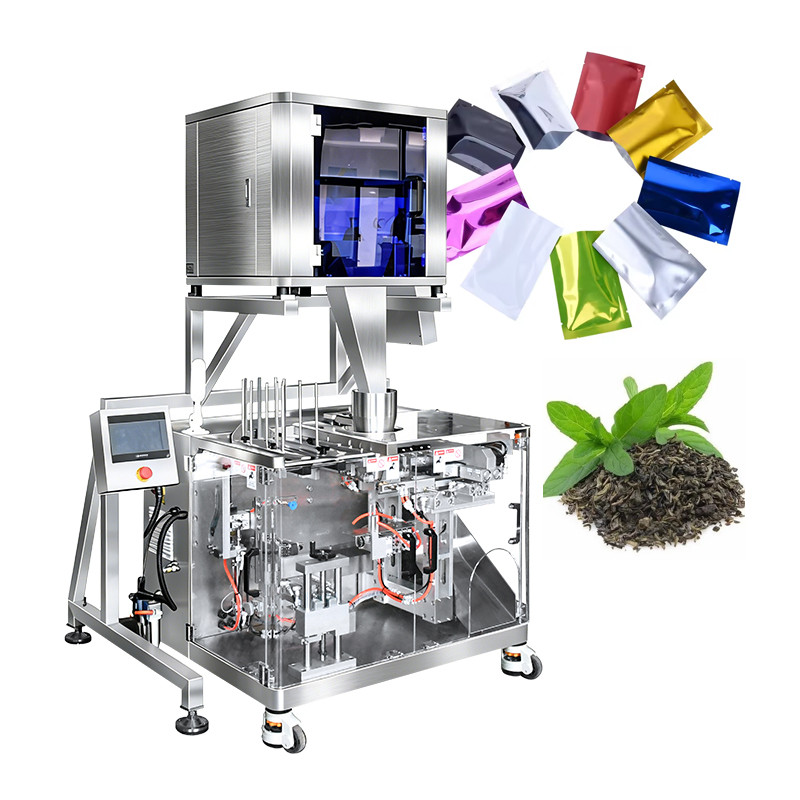
As a small business, we understand that scaling up can bring significant packaging challenges. Manual methods, while suitable initially, often lead to wasted time, materials, and inconsistent quality as your business grows. Choosing the right small pouch packing machine is a pivotal decision that can revolutionize your production, reduce operational costs, and enhance your brand's reputation. Let us guide you through the key considerations for finding the perfect small pouch packing machine to meet your unique business needs, ensuring you make a strategic investment for a future of sustainable growth.
Key Takeaways
- Embrace Automation to Overcome Inefficiency: Manual packaging is a major bottleneck for growing businesses, leading to high labor costs, inconsistent product quality, slower production speeds, and increased material waste. Automating your packaging process with a small pouch packing machine directly addresses these issues, boosting productivity, ensuring uniformity, and driving long-term cost savings.
- Prioritize a Machine That Fits Your Space and Budget: Small pouch packing machines are specifically designed for businesses with limited floor space and financial constraints. Look for compact, affordable models that don't compromise on performance or quality. The goal is to find a machine that offers a strong return on investment without requiring a large-scale industrial setup.
- Match Product and Pouch Type: The versatility of a pouch packing machine is one of its greatest assets. Whether you're packaging powders, liquids, granules, or solids, there is a machine and a pouch type—such as stand-up, pillow, or spout pouches—that will fit your product perfectly. Aligning the pouch with your product's needs and market trends is crucial for shelf appeal and consumer convenience.
- Evaluate Features for Ease of Use and Quality: A machine's value is determined by its daily performance. Prioritize intuitive controls, easy maintenance, and reliable manufacturer support. Certifications like ISO are not just acronyms; they are indicators of safety, quality, and consumer trust, which are vital for building a strong brand reputation.
- Consider Future Growth and Total Cost of Ownership: The right machine should not only meet your current production capacity but also accommodate future expansion. When evaluating options, look beyond the initial purchase price. Consider the total cost of ownership, which includes warranties, training, availability of spare parts, and ongoing maintenance costs. Choosing a reputable supplier with excellent after-sales service is a critical part of this long-term investment.
Understanding Your Needs: Overcoming Small Business Packaging Challenges with a Small Pouch Packing Machine
For many small and emerging businesses, the journey begins with manual processes. While this hands-on approach offers flexibility at the start, it quickly becomes a significant operational hurdle as production demands increase. The transition from manual labor to automated solutions represents a critical step in scaling a business, enhancing efficiency, and building a professional brand image that resonates with customers. Understanding the limitations of manual packaging and the specific advantages offered by a small pouch packing machine is the first step toward making an informed investment in your company's future.
The Inefficiency of Manual Packaging
Manual packaging might seem like the most cost-effective solution initially, but its hidden costs can accumulate and stifle growth. As your business expands, relying on human labor for repetitive tasks like filling, sealing, and labeling introduces significant inefficiencies that can impact your bottom line and your brand's reputation.
High labor costs and inconsistent results
Manual packaging is heavily dependent on human effort, which translates directly into substantial and rising labor costs. As production volume grows, businesses often find themselves needing to hire more staff simply to keep pace, leading to increased expenses related to salaries, training, and management. Beyond the financial strain, manual processes are inherently prone to human error. Even with the most diligent team, inconsistencies in fill weights, seal integrity, and label placement are common. These seemingly minor mistakes can lead to product waste, customer complaints, and damage to your brand's credibility. Furthermore, the physical demands of repetitive tasks can cause fatigue, which slows down production and increases the risk of errors.
Growth bottlenecks for expanding businesses
For an expanding business, manual packaging often becomes a primary bottleneck that limits scalability. The speed of your entire production line is capped by how fast your team can manually pack products. This limitation can prevent you from taking on larger orders, meeting seasonal demand spikes, or expanding into new markets. When packaging can't keep up with production, it creates a ripple effect, causing delays in shipping, complicating inventory management, and ultimately hindering your ability to grow. Businesses aiming for sustainable growth soon realize that manual systems lack the capacity and efficiency needed to compete in a fast-paced market.
What Makes a Small Pouch Packing Machine Different?
Unlike large-scale industrial machinery, a small pouch packing machine is engineered to meet the specific needs of small to medium-sized enterprises (SMEs). These machines bridge the gap between inefficient manual labor and prohibitively expensive, large-footprint automated systems, offering a practical path to modernization.
Alt text: Compact small pouch packing machine for businesses with limited space.
Designed for limited space and budget constraints
One of the most significant advantages of a small pouch packing machine is its compact design. Manufacturers recognize that startups and small businesses often operate in facilities with limited floor space. These machines are built with a smaller footprint, allowing them to be integrated into existing production lines without requiring extensive facility modifications. Affordability is another key differentiator. While any capital investment requires careful consideration, small pouch packing machines are priced to be accessible for businesses looking to take their first step into automation, providing a high return on investment by reducing labor costs and material waste.
Automation without the industrial scale
A small pouch packing machine delivers the core benefits of automation—speed, precision, and consistency—without the complexity or scale of a full industrial line. These machines automate repetitive tasks like pouch opening, filling, sealing, and printing, dramatically increasing throughput compared to manual methods. This level of automation is perfect for businesses that need to increase production but are not yet at a level that requires massive, high-speed machinery. They offer a scalable solution that allows companies to grow efficiently, improve product quality, and present a more professional image to the market.
Essential Features and Criteria for Your Small Pouch Packing Machine
When selecting a small pouch packing machine, it's crucial to look beyond the basic function of packaging and consider the specific features that will deliver the most value to your business. The right machine is not just a piece of equipment but a long-term asset that enhances efficiency, ensures product quality, and supports your brand's growth. Key criteria revolve around a compact and affordable design, versatility for different products, ease of operation, minimal maintenance, and adherence to internationally recognized quality standards.
Prioritizing Compact Design and Affordability
For small businesses, two of the most significant constraints are often physical space and budget. Modern small pouch packing machines are engineered to address these challenges directly, offering powerful performance in a form factor that fits your operational and financial realities.
Finding performance in a small footprint
Space efficiency is a primary benefit of modern small pouch packing machines. Unlike their bulky industrial counterparts, these machines are designed with a compact footprint, allowing businesses to automate their packaging processes without needing a large production floor. This makes them ideal for workshops, small warehouses, or any facility where space is at a premium. Despite their size, these machines do not compromise on performance. They are capable of achieving high throughput rates, ensuring that your packaging operations can keep up with growing demand. By maximizing the use of available space, these machines enable you to scale your business efficiently.
Customization options to fit specific product types (powders, liquids, solids)
Versatility is a hallmark of a valuable pouch packing machine. Businesses today often deal with a diverse range of products, and the right machine should be able to handle them all. High-quality pouch packing machines offer extensive customization options, with different fillers available for various product types:
- Auger Fillers are ideal for fine and non-free-flowing powders like flour, spices, and protein powder.
- Piston Pump Fillers are designed for liquids and pastes, such as sauces, creams, honey, and shampoo, ensuring accurate dosing without drips.
- Multi-Head Weighers and Volumetric Cup Fillers are perfect for granules and solid items like coffee beans, snacks, candies, and grains.
- Vibrating Fillers can handle a variety of granular products and are known for their precision.
This ability to switch between different filling systems allows a single machine to package a wide array of products, providing maximum flexibility and return on investment.
Ease of Use, Low Maintenance, and Quality Assurance
A machine's true worth is measured by its daily usability and long-term reliability. Complex equipment can lead to costly downtime and operator error, while a lack of quality assurance can jeopardize consumer safety and brand reputation. Therefore, focusing on intuitive operation, straightforward maintenance, and certified quality is non-negotiable.
Intuitive controls and reliable support are crucial
The most effective packaging machines are those that are easy to operate. Modern machines feature user-friendly interfaces, such as PLC touch screens, which simplify setup, control, and monitoring. Intuitive controls reduce the learning curve for employees, minimize the risk of operator error, and decrease downtime. According to some studies, over half of all packaging line downtime can be attributed to operator error, highlighting the importance of a simplified user experience. Beyond the machine itself, the quality of the manufacturer's support is critical. Look for suppliers who offer comprehensive training, readily available technical assistance, and a solid warranty to ensure you can resolve any issues quickly and keep production running smoothly.
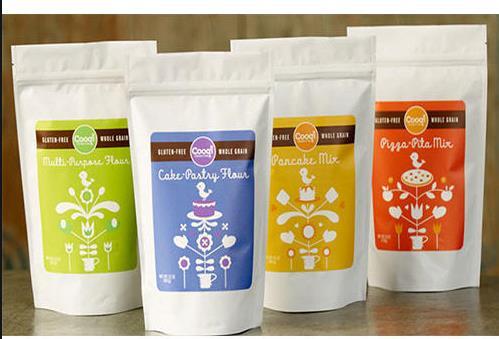 Alt text: User-friendly touchscreen controls on a pouch packing machine.
The value of ISO certification for safety and consumer trust
In a global market, adherence to internationally recognized standards is a mark of quality and reliability. ISO (International Organization for Standardization) certifications are crucial indicators that a packaging machine meets stringent requirements for safety, quality, and efficiency.
- ISO 9001 confirms that the manufacturer follows a certified Quality Management System (QMS), which ensures consistent production quality and a focus on customer satisfaction. Manufacturers with ISO 9001 certification report significantly fewer production defects.
- ISO 12100 and ISO 13849 relate to machinery safety, ensuring that the equipment is designed with risk reduction in mind and that its control systems are reliable.
- ISO 22000 is particularly important for the food industry, as it outlines requirements for a food safety management system to prevent contamination.
Choosing a machine from an ISO-certified manufacturer provides assurance that you are investing in equipment that is safe, reliable, and built to the highest quality standards, which in turn builds trust with your customers.
Exploring Pouch Types and Automated Workflow for Your Small Pouch Packing Machine
Choosing the right pouch packing machine goes hand-in-hand with selecting the ideal pouch for your product. The pouch is the first thing a customer sees and interacts with, making it a critical component of your branding and user experience. Understanding the variety of pouch types available and how a fully automated workflow can seamlessly fill and seal them is key to maximizing efficiency, ensuring product integrity, and boosting shelf appeal.
Matching Your Product to the Right Pouch Type
The versatility of pouch packaging is one of its greatest strengths. From liquids and powders to solid snacks, there is a pouch style designed to meet the specific needs of your product while also appealing to consumer preferences. A well-chosen pouch not only protects its contents but also enhances brand perception.
Versatility of stand-up, pillow, spout, and sachet bags
Small pouch packing machines can handle a wide array of pouch styles, giving you the flexibility to choose the best option for your product and market. Some of the most popular types include:
- Pillow Pouches: These are one of the most common and cost-effective flexible packaging options, ideal for a wide range of products like chips, candies, spices, and detergents. They are formed into a "pillow" shape with seals at the top, bottom, and back.
- Stand-Up Pouches (Doypacks): Highly popular for their excellent shelf presence, these pouches can stand upright on their own, making them highly visible to consumers. They are often used for coffee, snacks, pet food, and liquid products. Many come with resealable zippers for added convenience.
- Spout Pouches: The perfect solution for liquid and viscous products like juices, sauces, baby food, and cleaning agents. The built-in spout provides spill-free pouring and easy resealing, making them incredibly user-friendly and great for on-the-go consumption.
- Sachets and Stick Packs: These are small, single-use packets ideal for powders, liquids, and granules. Sachets are sealed on three or four sides and are perfect for samples or single servings of products like sugar, instant coffee, and personal care items.
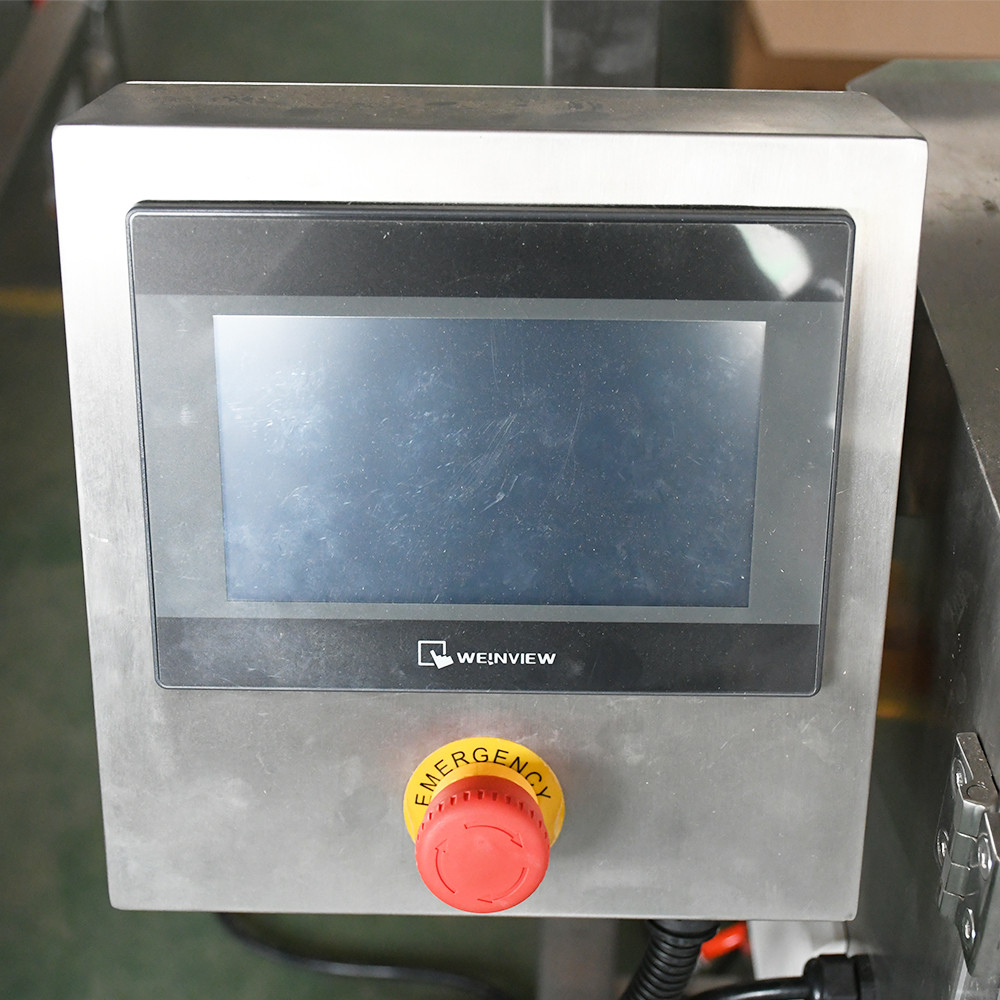 Alt text: Different pouch styles compatible with a small pouch packing machine, including sachet, stand-up, and pillow pouches.
Considering market trends like reusability and convenient features
Modern consumers are increasingly driven by convenience and sustainability. This has led to a rise in demand for packaging that is not only functional but also environmentally responsible. The trend towards refillable and reusable packaging is growing, with refill pouches playing a significant role. These pouches allow consumers to purchase a durable primary container and then replenish it with product from a lightweight refill pouch, reducing overall plastic waste.
Convenience features also heavily influence purchasing decisions. Resealable zippers, easy-tear notches, and ergonomic handles are no longer just extras but are often expected by consumers. Smart and interactive packaging, which might include QR codes for product information, is another emerging trend that enhances consumer engagement. Aligning your pouch choice with these trends can differentiate your brand and appeal to the values of today's shoppers.
The Benefits of a Fully Automated Small Pouch Packing Machine
A fully automated small pouch packing machine streamlines the entire packaging process, from handling the empty bag to filling and sealing the final product. This automation brings a host of benefits, including enhanced efficiency, superior quality control, and a more professional final product. The typical workflow is a marvel of precision engineering designed for consistency and speed.
Efficient bag handling, precise filling, and secure sealing
The automated workflow of a pouch packing machine is a sequence of precisely executed steps. It generally follows this process:
- Pouch Loading and Gripping: A stack of premade pouches is loaded into a magazine. A robotic gripper picks up a single pouch and transfers it to the machine's transport system.
- Opening and Detection: The machine carefully opens the pouch, often using a combination of grippers and an air blower. Sensors detect if the bag is open correctly; if not, the filling and sealing stations will not activate, which prevents product spillage and waste.
- Precise Filling: The open pouch moves to the filling station. Depending on the product, an auger (for powders), pump (for liquids), or weigher (for solids) dispenses an exact amount of product into the pouch. Some systems also offer a gas flush option (Modified Atmosphere Packaging), which replaces oxygen with nitrogen to extend shelf life.
- Secure Sealing and Discharge: The filled pouch moves to the sealing station, where heated bars apply pressure and heat to create a strong, airtight seal. After sealing, a cooling bar may pass over the seal to strengthen it before the finished pouch is discharged onto a conveyor.
Ensuring consistent quality and extended shelf life for products
The primary goals of effective packaging are to protect the product and maintain its freshness. Automation excels at both. The precise and repeatable nature of an automated machine ensures every pouch is filled to the correct weight and sealed perfectly every time. A secure, airtight seal is crucial for extending shelf life. It protects the product from external contaminants like moisture, air, and microorganisms that cause spoilage. By removing the variability and potential for error inherent in manual processes, a fully automated small pouch packing machine guarantees a consistent, high-quality package that preserves the integrity of your product, satisfies customers, and strengthens your brand.
Making the Smart Investment: Key Considerations for a Small Pouch Packing Machine
Purchasing a small pouch packing machine is a strategic investment that can significantly impact your production efficiency, product quality, and overall profitability. To ensure you make the right choice, it's essential to move beyond surface-level features and delve into a comprehensive evaluation of the machine's capabilities, its compatibility with your materials, and the long-term value offered by the manufacturer. A smart investment is one that not only solves today's challenges but also supports tomorrow's growth.
Production Capacity and Material Compatibility
Two of the most practical and critical factors in your decision-making process will be the machine's production output and its ability to work seamlessly with your chosen packaging materials. These elements directly affect your operational efficiency and the final quality of your packaged product.
Aligning with current output and future growth
Before investing, you must have a clear understanding of your current production needs and realistic projections for future growth. A machine's capacity is typically measured in pouches per minute (PPM). While it may be tempting to opt for the highest speed available, it is more strategic to select a machine that comfortably meets your current demand while offering room for expansion. Consider a machine that can scale with your business. For example, if you are currently packaging 1,000 units per day, a machine that can handle 2,000-3,000 units provides a buffer for growth without being an excessive initial investment. Aligning the machine's capacity with your business plan ensures that your equipment will not become a bottleneck as your company succeeds and expands.
Ensuring the machine works with your chosen packaging materials
The compatibility between your packaging film and the machine is crucial for smooth operation and a high-quality final product. Not all machines work with all materials. Before committing to a purchase, it is essential to conduct compatibility testing. Provide your potential supplier with samples of your specific packaging film and product so they can perform tests. This ensures that the machine can properly handle, fill, and seal your pouches without issues like tearing, poor seal integrity, or jamming. You should also inquire about the machine's flexibility with different materials, as you may want to switch to more sustainable or innovative packaging in the future. A factory acceptance test (FAT), where you can see your product being run on the new machine before it ships, is a great way to verify compatibility and performance.
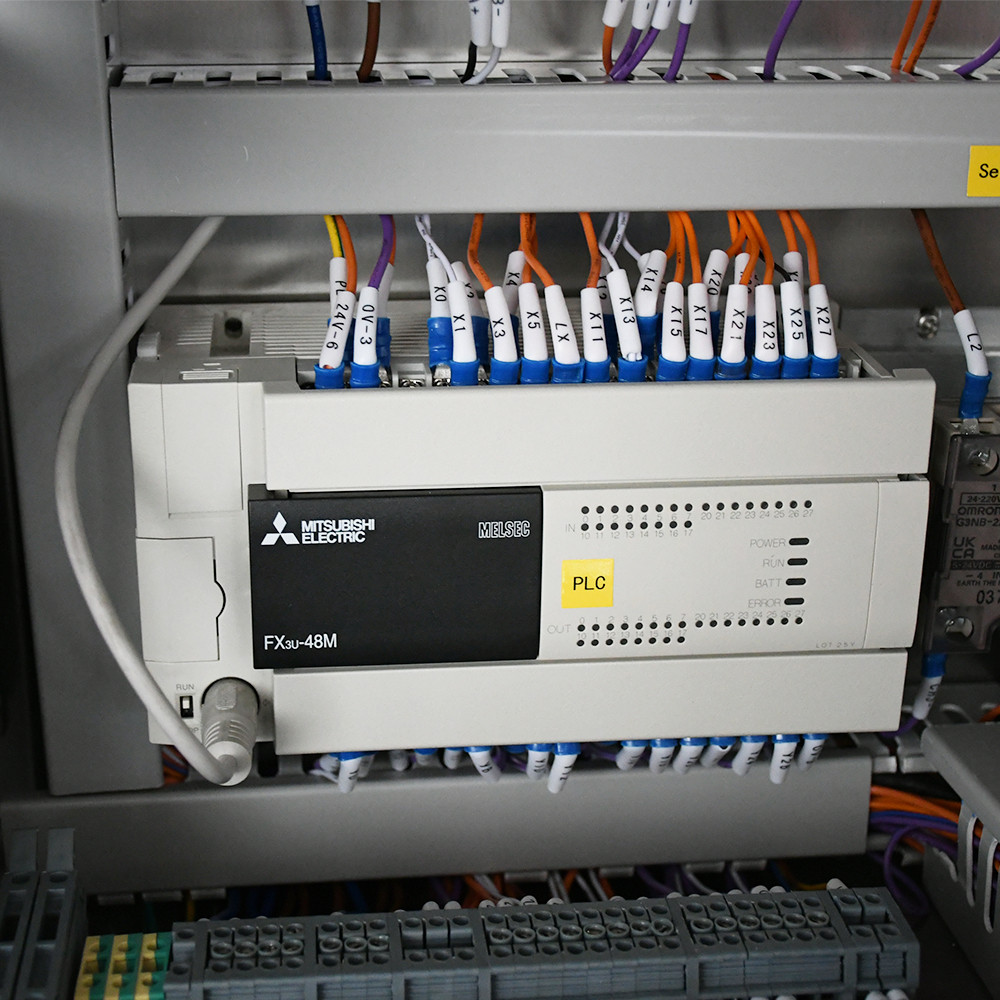 Alt text: Testing packaging material compatibility on a small pouch packing machine to ensure a quality seal.
Evaluating Manufacturers, Support, and Total Cost
The machine itself is only part of the equation. The manufacturer you choose to partner with is just as important. A reputable supplier provides not only a quality machine but also the long-term support and transparency needed to maximize your investment's value. Focusing on the total cost of ownership rather than just the initial price tag will lead to a more sustainable and profitable decision.
Looking for reputable suppliers with excellent after-sales service
The purchase of a packaging machine should be seen as the beginning of a long-term partnership with the manufacturer. A reputable supplier will have a history of positive customer reviews and a strong industry presence. More importantly, they will offer robust after-sales support. This is critical because any machine will eventually require maintenance or repairs, and downtime can be extremely costly. Look for manufacturers that provide:
- Timely Technical Support: Quick access to expert technicians who can help troubleshoot issues remotely or on-site.
- Availability of Spare Parts: A reliable supply of genuine spare parts is essential to minimize downtime during repairs.
- Comprehensive Training: Proper training for your operators ensures they can run the machine efficiently and safely, reducing errors and maximizing its potential.
Excellent after-sales service is an insurance policy for your investment, ensuring the machine remains a productive asset for years.
Understanding warranties, training, and ongoing maintenance costs
The initial purchase price of a packaging machine is just one component of its true cost. To make an informed financial decision, you must evaluate the Total Cost of Ownership (TCO). The TCO includes all expenses over the machine's entire lifecycle. Key factors to consider include:
| TCO Component | Description | Why It Matters |
|---|---|---|
| Initial Purchase Price | The upfront cost of the machine. | This is the most visible cost, but should not be the only consideration. A cheaper machine can cost more in the long run. |
| Warranty | The manufacturer's guarantee covering defects and repairs for a specified period. | A strong warranty (typically 1-2 years) reduces your financial risk and indicates the manufacturer's confidence in their product. |
| Installation & Training | Costs associated with setting up the machine and training your staff to operate it correctly. | Proper installation and training are crucial for optimal performance and safety, preventing costly errors down the line. |
| Maintenance & Spares | The ongoing costs of routine maintenance, repairs, and replacement parts. | Proactive maintenance extends the machine's lifespan and prevents major breakdowns. Understanding parts availability and cost is crucial. |
| Downtime Costs | The "hidden" cost of lost production when the machine is not operational. | This is often the most significant expense. A reliable machine with strong support minimizes downtime. |
By calculating the TCO, you get a much clearer picture of the long-term financial impact of your investment. A machine with a higher initial price but lower maintenance costs, a better warranty, and superior support often represents a better overall value.
Frequently Asked Questions (FAQ)
1. What types of products can a small pouch packing machine handle?
Small pouch packing machines are incredibly versatile and can be configured to handle a wide variety of products across numerous industries. With the right filling attachment, they can package:
- Powders: Such as spices, flour, protein powder, coffee grounds, and detergent powder.
- Granules: Including sugar, salt, coffee beans, grains, seeds, nuts, and small snacks.
- Liquids: Like juices, sauces, dressings, oils, shampoos, and lotions.
- Pastes: Such as tomato paste, creams, gels, and chutneys.
- Solids: Small individual items like candies, tablets, capsules, and small hardware parts.
The key is to select a machine with interchangeable or customizable fillers (e.g., auger, liquid pump, multi-head weigher) to match your specific product characteristics.
2. How much space do I need for a small pouch packing machine?
Small pouch packing machines are specifically designed for businesses with limited floor space. While dimensions vary by model and manufacturer, many entry-level and compact machines have a footprint of just a few square meters. For example, some vertical form-fill-seal (VFFS) machines can be as compact as 1.2m x 1.5m x 1.8m (LWH). It is important to account for not only the machine's dimensions but also the necessary clearance around it for operator access, maintenance, and loading of packaging materials and products. Always check the machine's specifications and consult with the manufacturer to ensure it will fit comfortably in your facility.
3. What is the difference between a premade pouch machine and a form-fill-seal (FFS) machine?
The main difference lies in how the pouches are supplied and created:
- Premade Pouch Packing Machine: This type of machine uses bags that are already formed and just need to be filled and sealed. An operator loads a stack of these pre-made pouches into the machine, which then automatically picks, opens, fills, and seals them. These are great for high-quality, graphically complex pouches like stand-up pouches with zippers or spouts.
- Form-Fill-Seal (FFS) Machine: This machine creates the pouch from a continuous roll of flexible film. It forms the film into a bag, fills it with the product, and then seals it. FFS machines are typically faster and have a lower cost per bag, making them ideal for high-volume production of simpler pouch styles like pillow bags or sachets.
The choice between the two depends on your desired packaging style, production volume, and budget.
4. How do I ensure the machine I buy will be compatible with my packaging materials? Ensuring compatibility is a critical step that should be done before purchasing the machine. The best practice is to engage in packaging compatibility testing. You should provide the machine manufacturer with samples of the exact packaging film or premade pouches you intend to use. The manufacturer can then run tests on their equipment to confirm that the material feeds correctly, opens properly, and can be sealed securely to create a high-integrity package. You can also request a Factory Acceptance Test (FAT), where you can witness your own product and packaging material being run on the machine before it is shipped. This step prevents costly surprises and ensures smooth operation once the machine is installed at your facility.
5. What kind of maintenance is required for a small pouch packing machine?
Like any mechanical equipment, a pouch packing machine requires regular maintenance to ensure its longevity and optimal performance. Maintenance routines typically include:
- Daily Cleaning: Wiping down surfaces and removing any product residue to maintain hygiene and prevent buildup.
- Regular Inspections: Visually checking key components like belts, seals, blades, and sensors for signs of wear and tear.
- Lubrication: Applying lubrication to moving parts as recommended by the manufacturer to reduce friction and prevent premature wear.
- Preventive Maintenance: Following a schedule provided by the manufacturer for replacing wear parts (like sealing jaws, blades, and belts) before they fail.
Many manufacturers offer Annual Maintenance Contracts (AMCs) where a certified technician will service the machine periodically. Adhering to a consistent maintenance schedule is the best way to minimize unexpected downtime and extend the life of your machine.
Conclusion
Selecting the ideal small pouch packing machine is a strategic investment that will transform your packaging process, ensuring greater efficiency and superior product quality. The journey from manual labor to automation is a significant step, but one that pays dividends in scalability, cost savings, and brand consistency.
By carefully focusing on your specific needs—including product type, production volume, and budget—and thoroughly evaluating machine features like versatility, ease of use, and material compatibility, you can make an informed decision. Remember that your choice extends beyond the hardware; the reliability and after-sales support of the manufacturer are paramount to your long-term success. By prioritizing a partnership with a reputable supplier, you are securing not just a machine, but a commitment to your business's operational excellence.
We believe that the right small pouch packing machine is a cornerstone for sustainable growth and a stronger brand presence. It empowers your business to meet market demands with confidence, deliver a professional product, and build lasting trust with your customers. We encourage you to share your thoughts or questions below and join the conversation about leveraging automation for small business success.