The Ultimate Guide to Operating Meat Balls Packing Machines for Consistent Production
- Share
- Issue Time
- Apr 18,2026
Summary
Upholding food safety and quality is paramount. Hygienic designs, often featuring food-grade stainless steel and Clean-in-Place (CIP) capabilities, reduce contamination risks, while tamper-evident seals build consumer trust. Proactive maintenance, rather than reactive repairs, is critical for profitability. A robust preventive maintenance (PM) protocol, encompassing regular cleaning, lubrication, and calibration of vital systems, extends machine lifespan and ensures consistent performance. Stric
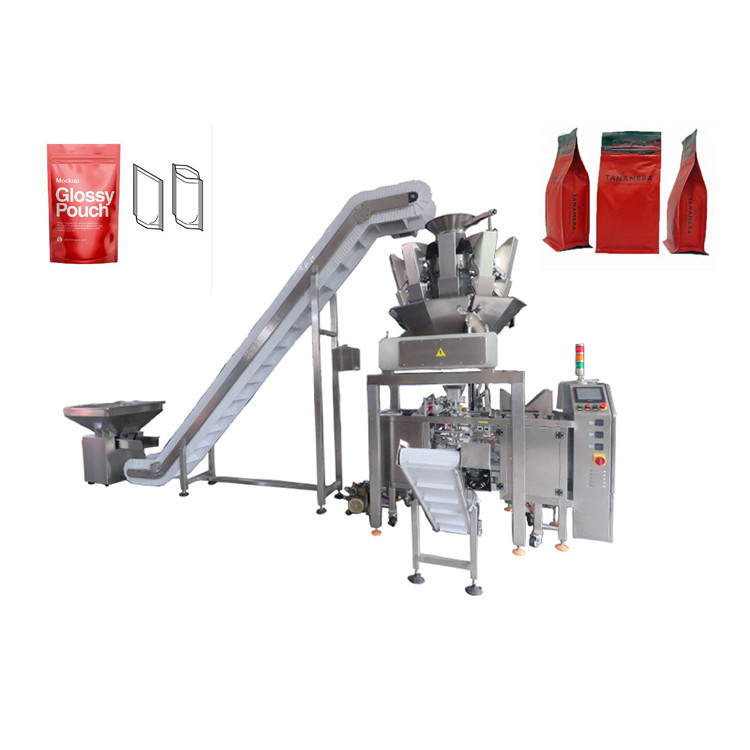
Meatballs are a popular culinary delight cherished across numerous cultures, and achieving consistent production is paramount for any business aiming to meet market demand and ensure superior product quality. The efficient operation of meatball packing machines is not just a logistical necessity; it is a critical component in upholding food safety standards, extending shelf life, and maintaining the visual and sensory appeal of the final products delivered to consumers. A well-optimized packaging process ensures every package meets brand standards, builds consumer trust, and ultimately drives business success.
This guide provides a comprehensive overview of operating meatball packing machines, covering everything from selecting the right equipment and achieving production consistency to upholding the highest standards of food safety and implementing strategic maintenance for long-term operational excellence.
Key Takeaways
For business owners and production managers in the food industry, mastering the operation of meatball packing machines is a direct path to enhanced efficiency, quality, and profitability. Here are the essential takeaways from this guide:
- Strategic Machine Selection is Foundational: The success of your entire production line hinges on choosing the right equipment. This decision should not be made lightly. It requires a deep understanding of your specific production needs, including scale (small-scale artisan versus large-scale industrial), meatball characteristics (size, weight, stuffed or solid), and target market requirements. Key components to evaluate include the forming machine's capabilities (speed, customization for size and fillings), the packing technology (VFFS is a versatile choice), the precision of weighing systems like multi-head weighers, and advanced sealing techniques such as MAP or vacuum sealing to maximize shelf life. Investing time in this initial selection process will prevent costly bottlenecks and operational headaches down the line.
- Consistency is Non-Negotiable: Unwavering consistency is the hallmark of a professional food production operation. In meatball packaging, this is primarily achieved through precision and integration. Accurate weighing systems are crucial to prevent product giveaway, which directly impacts profitability, and to ensure compliance with net weight regulations. Furthermore, the seamless integration of all machinery—from the meatball former to the final case packer—is essential for a smooth, uninterrupted workflow. Leveraging automation, such as recipe recall on HMI screens and self-diagnostic systems, minimizes human error and downtime, ensuring every package of meatballs is uniform in weight, quality, and appearance.
- Food Safety and Quality are Paramount: Your brand's reputation rests on the safety and quality of your products. Modern packing machines are designed with this in mind. Technologies like Modified Atmosphere Packaging (MAP) and vacuum sealing are not just features; they are critical tools for inhibiting microbial growth, preventing spoilage, and significantly extending shelf life. Proper packaging also protects the sensory qualities of the meatballs by preventing freezer burn, dehydration, and flavor loss. Additionally, incorporating tamper-evident seals provides consumers with visible assurance that the product is safe and has not been compromised, building invaluable trust and confidence in your brand.
- Proactive Maintenance Drives Profitability: A reactive approach to maintenance is a recipe for disaster, leading to unexpected downtime, costly emergency repairs, and lost production. A robust preventive maintenance (PM) protocol is an investment that pays for itself many times over. This includes regular cleaning, lubrication, inspection of wear parts (sealing jaws, knives, belts), and calibration of all critical systems. Equally important is a focus on operational safety, with established Lockout/Tagout (LOTO) procedures and proper training for all personnel. By treating maintenance as a strategic function, you maximize the machine's lifespan, ensure consistent performance, and protect your most valuable asset: your employees. Ultimately, this focus on operational excellence is what maximizes your return on investment (ROI).
Choosing the Optimal Meat Balls Packing Machine for Your Production Line
Selecting the right equipment is the foundational step toward achieving consistent and efficient meatball production. The decision impacts everything from production speed and product quality to food safety and operational costs. A strategic choice involves a thorough analysis of your specific needs and a deep dive into the technologies available.
Understanding the Diversity of Meatball Production Needs
The "perfect" meatball packing line doesn't exist in a one-size-fits-all format. Production needs vary dramatically based on the scale and nature of the business. An artisanal, small-batch producer has vastly different requirements than a large-scale industrial plant supplying national supermarket chains. Key factors to consider include the type of meat (beef, pork, chicken, plant-based), the expected throughput (kilograms per hour), and the variety of products. For instance, a facility that produces only one standard size of meatball will have simpler needs than one that offers multiple sizes, stuffed options, and various flavor profiles. Market demands also play a crucial role; retail packaging often requires visually appealing, smaller-format bags with high-quality graphics, whereas food service packaging may prioritize bulk quantities and durability. Understanding these nuances is the first step in specifying a machine that aligns with your business goals.
Exploring Meatball Forming Machines for Peak Efficiency
Before the meatballs can be packaged, they must be formed with precision and consistency. The meatball forming machine is the heart of this process, directly influencing the final product's weight, shape, and texture. Modern formers are designed for high efficiency and versatility.
High-Speed Stuffed Meatball Production Capabilities
The demand for value-added products like stuffed meatballs has driven significant innovation in forming technology. High-speed machines often utilize co-extrusion systems, where an outer layer of meat is precisely formed around a central filling, such as cheese, sauce, or vegetables. This technology allows for continuous production at high volumes without sacrificing the integrity of the filling or the shape of the meatball. The ability to produce thousands of perfectly stuffed meatballs per hour is a game-changer for businesses looking to scale up and diversify their product offerings.
Customization for Varied Meatball Sizes and Fillings
Versatility is a key asset in a dynamic market. Leading meatball forming machines offer a high degree of customization. Operators can easily change forming molds or adjust settings to produce meatballs of various diameters and weights, from small, cocktail-sized bites to large, entrée-style portions. This flexibility allows a single production line to cater to different product SKUs and market segments. Furthermore, the machines can be configured to handle a wide range of filling viscosities, ensuring that whether the filling is a thick cheese or a flowing sauce, it is dosed accurately and completely encapsulated within the meatball.
Durability and Hygienic Design Standards
In any food processing environment, hygiene and durability are non-negotiable. Meatball forming and packing equipment must be built to withstand rigorous daily cleaning and sanitation protocols. Look for machines constructed primarily from food-grade 304 stainless steel, which is resistant to corrosion and easy to clean. A superior hygienic design minimizes flat surfaces, crevices, and hard-to-reach areas where bacteria could accumulate. Many modern machines feature a "clean-in-place" (CIP) design, allowing for automated cleaning cycles. Adherence to standards from bodies like the National Sanitation Foundation (NSF) is a strong indicator of a machine's quality and commitment to food safety.
Selecting the Ideal Meat Balls Packing Machine Components
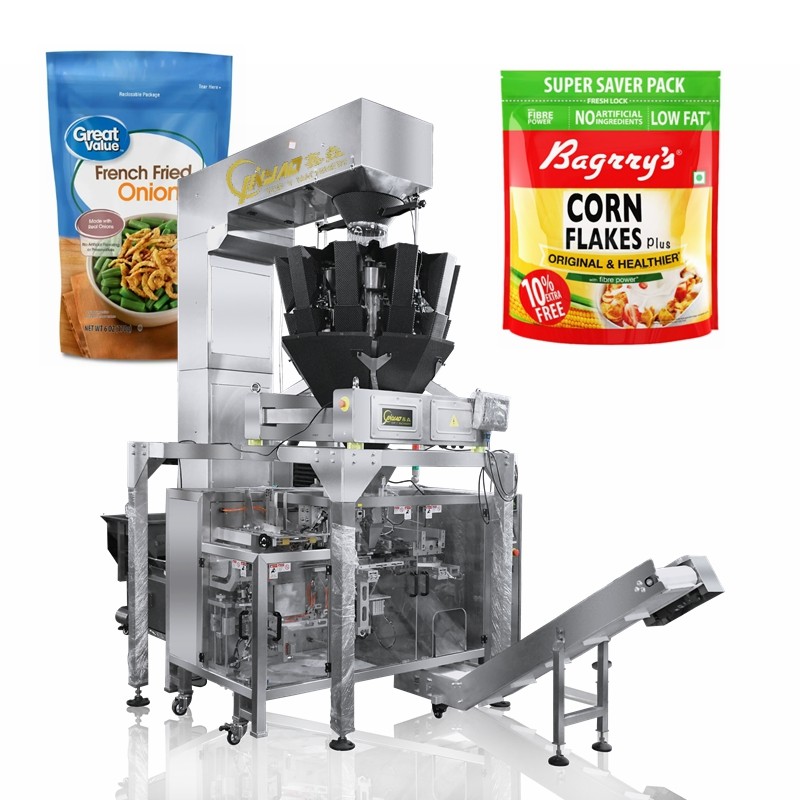
Once the meatballs are formed and cooked/frozen, the packing machine takes over. A complete packing system is composed of several critical components working in harmony to weigh, dispense, and seal the product efficiently.
Vertical Form Fill Seal (VFFS) Technology for Versatile Packaging
Vertical Form Fill Seal (VFFS) machines are a popular and highly versatile solution for packaging meatballs. These machines perform three tasks in one fluid motion: they form a bag from a flat roll of film, fill the bag with the product, and then seal it. This integrated process is efficient and minimizes the footprint on the production floor. VFFS technology is ideal for creating pillow bags, gusseted bags, and flat-bottom bags, which are common formats for frozen foods. The ability to quickly change the film roll and the forming tube allows for easy switching between different bag sizes and branding.
Precision Weighing and Filling Systems: Multi-Head Weighers and Auger Fillers
Accurate weight is critical for profitability and regulatory compliance. For discrete items like meatballs, the multi-head weigher is the gold standard. This system uses a series of small weighing buckets (or "heads") to create precise product combinations that match a target weight. A computer calculates the best combination of buckets to dump, ensuring that each bag is filled with extreme accuracy, often within a gram of the target. This technology dramatically reduces "product giveaway," saving businesses a significant amount of money over time. While auger fillers are excellent for powders and fine-grained products, their screw-based mechanism is less suitable for delicate, whole items like meatballs, making the multi-head weigher the superior choice.
| Weigher Type | Best For | Mechanism | Key Advantage |
|---|---|---|---|
| Multi-Head Weigher | Discrete, solid items (meatballs, snacks, frozen vegetables) | Uses multiple combination weighing buckets to achieve a precise target weight. | High accuracy, speed, and minimal product giveaway. |
| Auger Filler | Powders, granules, and some semi-solids (flour, coffee grounds) | A rotating screw (auger) dispenses a specific volume of product per rotation. | Good for volumetric filling of non-free-flowing products. |
| Linear Weigher | Free-flowing, granular products (rice, beans) | Vibratory feeders move the product into weigh buckets. | A simpler, more economical solution for less complex applications. |
Advanced Sealing Techniques: Vacuum and Modified Atmosphere Packaging (MAP)
The final seal is what protects the product and extends its shelf life. Two advanced techniques are prevalent in the meat industry:
- Vacuum Packaging: This process removes almost all the air from the package before sealing. By eliminating oxygen, it significantly inhibits the growth of aerobic bacteria and molds, preventing spoilage and extending the time the product remains safe and fresh.
- Modified Atmosphere Packaging (MAP): This technique goes a step further. After removing the ambient air, the package is flushed with a carefully controlled mixture of gases (typically carbon dioxide, nitrogen, and sometimes a small amount of carbon monoxide) before being sealed. Carbon dioxide inhibits microbial growth, while nitrogen acts as an inert filler to prevent package collapse. This method is highly effective at preserving the color, flavor, and texture of meat products, resulting in a much longer shelf life compared to simple air-filled packaging.
Choosing the right combination of these components will result in a robust and efficient packing machine system tailored to your specific needs.
Achieving Unwavering Consistency with Your Meat Balls Packing Machine
Consistency is the cornerstone of brand reputation and operational profitability. For meatball production, this means every package leaving the facility must be identical in weight, quality, and presentation. Achieving this level of uniformity requires a focus on precision weighing, process optimization, and seamless system integration.
The Crucial Role of Accurate Weighing in Meat Balls Packing Machine Operations
Inaccurate weighing directly impacts the bottom line. Overfilling bags, even by a few grams, results in "product giveaway"—literally giving away free product with every package. Over a year of high-volume production, this can amount to tens of thousands of dollars in lost revenue. Conversely, underfilling bags can lead to regulatory fines and, more importantly, customer dissatisfaction and loss of trust. High-precision systems like multi-head weighers are therefore not a luxury but a necessity. They ensure that each bag meets the net weight stated on the label, protecting both the consumer and the company's profitability.
Optimizing Overall Efficiency and Product Uniformity
Overall Equipment Effectiveness (OEE) is a key performance indicator in manufacturing that measures the percentage of planned production time that is truly productive. Achieving a high OEE score requires optimizing three factors: availability (reducing downtime), performance (running at a consistent, high speed), and quality (minimizing defects and rejects). For a meatball packing line, this means ensuring the machine runs without unscheduled stops, maintaining a steady flow of product, and producing perfectly sealed, accurately weighed bags every time. This uniformity ensures a consistent customer experience and strengthens brand identity.
Seamless Integration for a Unified Meatball Production Line
A meatball production line is a complex ecosystem of interconnected machines: former, cooker, freezer, weigher, and bagger. For the line to operate at peak efficiency, these components must communicate and work in harmony. A bottleneck in one area will cause a slowdown across the entire line. Seamless integration ensures a smooth, continuous flow from raw materials to the final packaged product. For example, the rate at which the VFFS machine bags the meatballs must be synchronized with the speed of the multi-head weigher, which in turn must be matched to the output of the freezer and forming machine. Many modern systems use a central control unit to manage and synchronize all stages of the process, ensuring a unified and highly efficient production line. Companies that specialize in end-to-end solutions, such as TOP Y MACHINERY, can provide integrated systems designed to work together flawlessly.
Leveraging Automated Features for Continuous Meat Balls Packing Machine Performance
Automation is key to minimizing human error and maximizing uptime. Modern meatball packing machines are equipped with a host of automated features that contribute to continuous, reliable performance. Human-Machine Interfaces (HMIs) with intuitive touchscreens allow operators to load pre-set recipes for different products with a single touch, automatically configuring weigh, fill, and seal parameters. Other advanced features include automatic film tracking and splicing, which allows the machine to switch to a new roll of packaging film without stopping production, and self-diagnostic systems that monitor machine health and alert operators to potential issues before they cause a breakdown. These automated features reduce the reliance on intensive manual oversight and allow the production line to run continuously with minimal intervention.
Upholding Food Safety and Quality Standards with Your Meat Balls Packing Machine
In the food industry, safety and quality are not just goals; they are absolute requirements. The packing process is the final line of defense in protecting the product before it reaches the consumer. A high-quality packing machine plays a critical role in preserving the integrity, sensory appeal, and safety of the meatballs.
Protecting Product Integrity and Extending Shelf Life
The primary function of packaging is to protect the product from external contaminants and degradation. By using advanced sealing techniques like vacuum packaging or Modified Atmosphere Packaging (MAP), manufacturers can create an environment inside the package that dramatically slows down spoilage. By removing oxygen, these methods inhibit the growth of aerobic bacteria and molds that cause food to degrade. Furthermore, MAP uses a specific blend of gases to actively preserve the product's quality. For example, carbon dioxide has antimicrobial properties, while nitrogen prevents package collapse, ensuring the meatballs are not crushed during transit. The result is a significantly extended shelf life, which reduces food waste for both retailers and consumers.
Preserving the Sensory Appeal of Meatballs
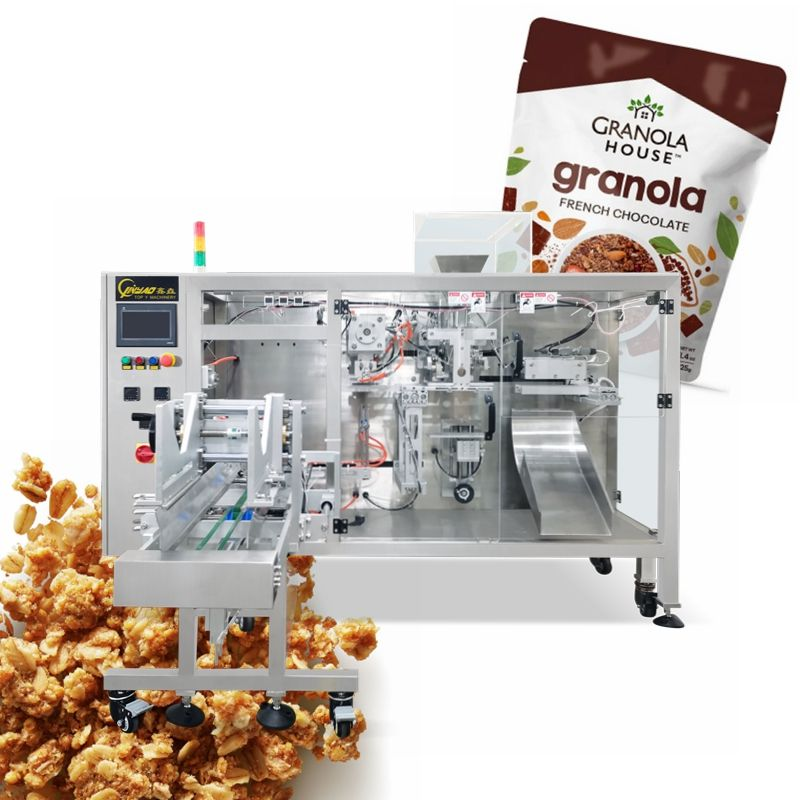
Quality is not just about safety; it’s also about the consumer's sensory experience—taste, texture, and appearance. Poor packaging can lead to a host of quality issues. Freezer burn, which appears as dry, discolored patches on frozen food, is caused by dehydration due to air exposure. A properly sealed, airtight package prevents this from occurring. It also locks in the natural moisture and flavor of the meatballs, ensuring they taste as fresh as the day they were made. Furthermore, for meat products, color is a key indicator of freshness for consumers. The specialized gas mixture in MAP is specifically designed to help maintain the bright, appealing color of the meat for a longer period on the shelf.
Implementing Tamper-Proof Packaging for Consumer Confidence
In today's market, consumers need to trust that the food they buy is safe and has not been compromised. Tamper-evident packaging provides this crucial assurance. These are features designed to make it obvious if a package has been opened or tampered with after leaving the factory. Common examples include perforated tear strips, breakaway seals, or fully sealed pouches that cannot be reclosed once opened. Implementing these features into your packaging process is a powerful way to build consumer confidence and protect your brand's reputation for safety and integrity.
The Hygienic Advantages of Automated Meat Balls Packing Machine Systems
Every time a human hand touches a food product, there is a risk of introducing contaminants. One of the most significant food safety benefits of a fully automated packing line is the drastic reduction in direct human contact with the product. From the moment the meatballs are formed to the point they are sealed in a bag, the entire process can be hands-free. This minimizes the risk of microbial contamination. Additionally, as noted earlier, these machines are designed for easy and thorough cleaning, with stainless steel construction and no-crevice designs, further ensuring a hygienic production environment. The combination of reduced human contact and superior hygienic design makes automated systems a cornerstone of modern food safety programs.
Operational Excellence: Maintenance and Strategic Optimization of Your Meat Balls Packing Machine
Investing in a high-quality meatball a packing machine is only the first step. Achieving long-term operational excellence requires a strategic approach to maintenance, safety, and continuous improvement. This ensures the machine operates at peak performance throughout its lifespan, delivering maximum return on investment.
Developing a Robust Preventive Maintenance Protocol for Meat Balls Packing Machines
Waiting for a machine to break down before fixing it—a reactive maintenance approach—is incredibly costly due to unscheduled downtime and lost production. A robust preventive maintenance (PM) protocol is essential. This proactive strategy involves scheduled inspections, cleaning, lubrication, and replacement of wear parts to prevent failures before they happen. A typical PM checklist should include:
- Daily: Cleaning of all product contact surfaces, inspection of sealing jaws for residue, and emptying of trim collection bins.
- Weekly: Lubrication of moving parts, inspection of conveyor belts for wear and tension, and checking the sharpness and alignment of cutting blades.
- Monthly/Quarterly: Calibration of the multi-head weigher and temperature controllers, inspection of pneumatic and electrical systems, and replacement of known wear parts like sealing jaw tapes and gaskets.
Documenting all maintenance activities helps track the machine's health and informs future service needs.
Ensuring Workplace Safety Around Heavy-Duty Meat Balls Packing Machines
Food processing and packaging machinery can pose significant safety risks if not managed properly. Ensuring a safe working environment is a top priority. All machines should be equipped with essential safety features as standard, including:
- Emergency Stop Buttons (E-stops): Clearly visible and easily accessible from all operator positions.
- Interlocking Guards: Physical barriers around moving parts that automatically shut down the machine if opened.
- Light Curtains: Presence-sensing devices that stop the machine if an operator's hand or arm crosses a safety threshold.
Furthermore, implementing strict Lockout/Tagout (LOTO) procedures is mandatory. During maintenance or cleaning, LOTO ensures that the machine is completely de-energized and cannot be accidentally started, protecting personnel from harm. Comprehensive training on all safety procedures is crucial for every team member who interacts with the machinery.
Integrating and Continuously Optimizing Your Meatball Packaging Line
Operational excellence is a journey, not a destination. It requires a culture of continuous improvement. This involves regularly collecting and analyzing production data—such as OEE, downtime reasons, material waste, and output rates—to identify inefficiencies and bottlenecks. For example, if data shows that film roll changes are a major source of downtime, the team could investigate automated film splicing solutions. If weight accuracy fluctuates, it may indicate a need for recalibration or an adjustment to the weigher's vibration settings. By using data to make informed decisions, you can systematically optimize every aspect of the packaging line, leading to incremental gains in efficiency and profitability over time.
Maximizing Return on Investment (ROI) Through Advanced Meat Balls Packing Machine Automation
The ultimate goal of any capital investment is to generate a positive return. The ROI of an automated packing machine is realized through several key avenues:
- Labor Savings: Automation reduces the need for manual labor in weighing, filling, and packing, freeing up employees for higher-value tasks.
- Increased Throughput: Automated machines can operate faster and for longer periods than manual processes, significantly increasing the number of units produced per shift.
- Reduced Material Waste: Precision weighing from multi-head weighers minimizes product giveaway, while accurate machine operation reduces film and packaging material waste.
- Improved Product Quality and Safety: Consistency and reduced contamination lead to fewer rejected products and enhance brand value, contributing to stronger sales and customer loyalty.
By quantifying these benefits against the initial cost of the machine, businesses can clearly see how investing in advanced automation is a powerful strategy for long-term growth and profitability.
Frequently Asked Questions (FAQs)
1. What is the main difference between a multi-head weigher and a linear weigher for packing meatballs?
The primary difference lies in their mechanism and accuracy, making the multi-head weigher far superior for a product like meatballs. A linear weigher typically uses one to four vibrating channels to feed product into a weigh bucket. It's a simpler, more economical system but offers lower speed and accuracy. It weighs one batch at a time. A multi-head weigher, on the other hand, uses multiple (often 10 to 24) small weigh buckets. A computer rapidly calculates the ideal combination of these buckets to achieve a target weight with extreme precision. For discrete, irregularly shaped items like meatballs, the multi-head weigher's ability to combine weights is crucial for minimizing giveaway and ensuring every bag meets the target weight, making it the industry standard for this application.
2. How exactly does Modified Atmosphere Packaging (MAP) extend the shelf life of meatballs?
MAP works by fundamentally changing the environment inside the package to slow down the natural processes of decay. It does this in three ways: First, it removes ambient air, which contains about 21% oxygen. Oxygen is essential for the growth of many spoilage-causing microorganisms (aerobic bacteria and molds). Second, it flushes the package with a precise gas mixture. This blend typically includes Carbon Dioxide (CO2), which is antimicrobial and dissolves into the food's moisture and fat to inhibit bacterial growth. It also contains Nitrogen (N2), an inert gas that serves as a cushion to prevent the package from collapsing (package integrity) and displaces remaining oxygen. By controlling the atmosphere this way, MAP drastically slows microbial spoilage, preserves the meat's color and flavor, and can extend the refrigerated shelf life of fresh meatballs from days to weeks.
3. What are the most common causes of downtime on a meatball packing machine?
The most frequent causes of unplanned downtime often relate to the packaging film, product flow, or sealing process. These include:
- Film-Related Issues: The machine running out of film is a common stop. More complex issues include film tracking problems (where the film drifts out of alignment) or film failing to seal properly due to incorrect temperature or pressure settings.
- Product Jams: Meatballs can sometimes jam in the transition funnel between the weigher and the bagging machine, especially if they are sticky or unusually shaped.
- Sealing Problems: Worn-out sealing jaws, incorrect temperature settings, or product residue on the sealing surfaces can lead to weak or incomplete seals, causing the machine to fault.
- Mechanical/Electrical Failures: Though less frequent with good preventive maintenance, wear and tear on parts like knives, belts, and sensors can eventually lead to a breakdown.
Many of these issues can be minimized with proper operator training and a robust preventive maintenance schedule.
4. How often should we perform preventive maintenance (PM) on our packing machine?
The ideal PM frequency depends on the machine's age, usage intensity (e.g., one shift vs. 24/7 operation), and the manufacturer's recommendations. However, a general best-practice schedule can be broken down into tiers:
- Daily (or per shift): Basic cleaning of all product contact areas, inspection for any obvious issues, and ensuring safety guards are functional.
- Weekly: More detailed cleaning, lubrication of key moving parts, and inspection of high-wear items like cutting blades and sealing jaw tape.
- Monthly/Quarterly: Calibration checks for weighing systems and temperature controllers, inspection of belts and motors, and replacement of parts known to wear out on a predictable schedule.
- Annually: A comprehensive overhaul, often performed by a certified technician, which includes in-depth inspection of electrical, pneumatic, and mechanical systems.
Following the schedule provided in your machine's manual is the best starting point.
5. Can one VFFS packing machine handle different bag sizes and product types?
Yes, one of the primary advantages of Vertical Form Fill Seal (VFFS) machines is their versatility. Most VFFS machines are designed to handle quick changeovers. To change the bag width, operators swap out the "forming tube and collar," a set of parts that shapes the flat film into a tube of a specific diameter. To change the bag length, the operator simply adjusts the setting on the HMI control panel, which dictates how much film is pulled down for each bag. This allows a single machine to produce a variety of package sizes. While the machine is highly flexible, you may need to adjust weigher settings or recipes when switching between significantly different products (e.g., from small 1oz meatballs to large 3oz meatballs) to maintain speed and accuracy.
In conclusion, mastering the consistent and safe operation of meatball packing machines is not merely a technical task; it is a critical strategy for business success. These machines are the gatekeepers of quality, safety, and brand consistency. They ensure every product that reaches the consumer is accurately weighed, safely sealed, and represents the high standards of your operation.
By making informed choices during equipment selection, implementing rigorous quality control and preventive maintenance protocols, and embracing the efficiencies offered by modern automation, food producers can elevate their production capabilities. This strategic approach empowers businesses to confidently deliver high-quality, safe, and appealing meatballs to their customers, strengthening brand loyalty and driving sustainable growth in a competitive market. We encourage you to share this guide with your teams and use it as a foundation for discussion and continuous improvement within your own operations.