Spices and Seasonings Packaging Machine: Meeting FDA Standards
- Share
- publisher
- TOP Y MACHINERY
- Issue Time
- Jul 31,2026
Summary
How to choose an FDA-compliant spice and seasoning packaging machine. FDA 21 CFR checklist, SS304 vs SS316 comparison, hygienic design essentials, and expert FAQ from TOP Y MACHINERY.
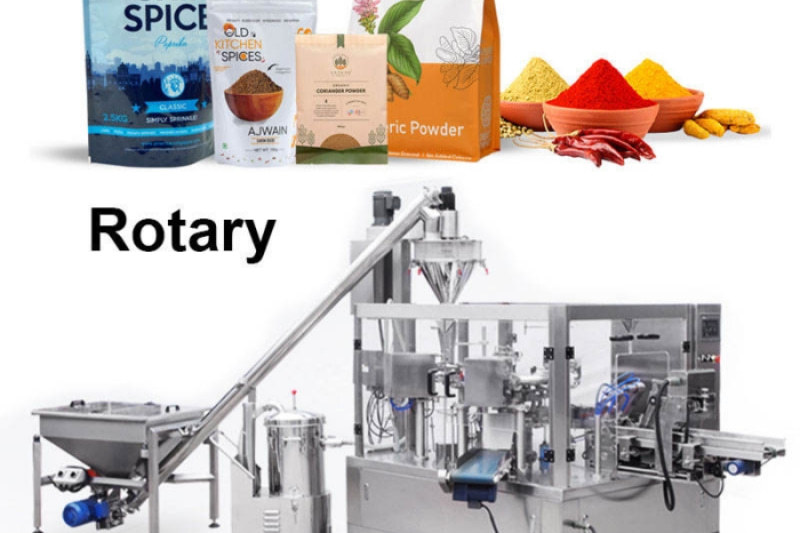
Short answer: Yes — a spice and seasoning packaging machine can meet FDA standards, but compliance is not automatic. FDA compliance for food packaging equipment is achieved when the machine is built from food-grade stainless steel (SS304 or SS316), uses FDA-compliant food-contact materials, follows hygienic (easily cleanable) design principles, and is backed by a supplier whose factory operates under current Good Manufacturing Practice (cGMP, FDA 21 CFR Part 117) with CE and GMP documentation. Verifying each of these points before purchase is the difference between a compliant line and a costly retrofit. Spices, seasonings, and powdered flavorings are among the most challenging dry products to package. They are fine, dusty, sometimes corrosive, and strictly regulated in export markets. Buyers in North America and the EU increasingly ask suppliers for FDA 21 CFR and EC 1935/2004 compliance evidence before signing a contract. This guide explains exactly what FDA compliance means for spice packaging equipment, provides a practical pre-purchase checklist, compares SS304 and SS316 stainless steel, and shows how TOP Y MACHINERY builds FDA/CE/GMP-compliant spice and seasoning packaging lines. The U.S. FDA does not issue a "certificate" for packaging machines the way CE marks machinery for the European market. Instead, FDA compliance is a design and manufacturing obligation. The relevant legal framework is FDA 21 CFR Part 117 — "Current Good Manufacturing Practice, Hazard Analysis, and Risk-Based Preventive Controls for Human Food" (the modern home of what was formerly 21 CFR Part 110) — which requires that food-contact equipment be "adequately cleanable" and made of "corrosion-resistant, non-toxic materials." A supplier that can document all four pillars — 21 CFR Part 117 design compliance, FDA-suitable food-contact materials, EC 1935/2004 material safety, and CE safety certification — gives you a defensible compliance chain for your own food safety audits (HACCP, FSSC 22000, BRC, SQF). Spice powders behave very differently from whole kernels, grains, or snacks. Three properties drive the machine specification: Because spice dust migrates everywhere, the machine must also be easy to fully strip down and sanitize between batches — protecting against cross-contact between different spices and allergens. These demands are what separate a purpose-built spice packing machine from a generic powder bagger. Use this checklist when evaluating any spice or seasoning packaging machine. Ask the supplier for written evidence on every point: All product-contact parts in SS304 or SS316; material certificates available. Silicone, EPDM, or NBR seals suitable for food contact (e.g., per 21 CFR 177.2600). Polished welds, Ra ≤ 0.8 µm surfaces, no horizontal ledges, sloped product paths. IP65-rated panels and quick-release hoppers, tooling, and sealing jaws for full sanitation. Written confirmation of 21 CFR Part 117 design compliance, EC 1935/2004 material safety, and CE certification. Enclosed filling zone, static grounding, and optional ATEX-rated electrical components for flammable spice dust. Auger filler for fine powders or multi-head weigher for granulated seasonings, with ±1–2 g accuracy. Provisions for metal detection and checkweighing on the same line. Mill certificates for stainless steel and food-contact components supplied with the machine. Supplier factory runs under cGMP with documented hygiene, training, and quality systems. If a supplier cannot produce documentation for even one of these ten points, treat it as a compliance gap — not a minor detail. Both SS304 and SS316 are accepted food-contact stainless steel grades, and both satisfy FDA's requirement for "corrosion-resistant, non-toxic" equipment. The correct choice depends on your product chemistry. The table below compares the two grades for spice and seasoning lines: Practical rule: Choose SS304 contact parts for standard dry spice powders. Upgrade to SS316 when your recipes are high in salt, chili, acid, or moisture, or when the line is washed down aggressively with chloride-based sanitizers. Many suppliers, including TOP Y MACHINERY, offer SS316 as an option on the same machine platform. Hygienic design is the engineering translation of cGMP into a machine you can actually keep clean. These are the design details that matter during a food safety audit: When a machine combines these features with documented material certificates, you have a defensible, audit-ready packaging line. TOP Y MACHINERY manufactures spice and seasoning packaging equipment with FDA/CE/GMP-compliant documentation, SS304 (or optional SS316) food-contact steel, and hygienic, easy-clean design. Every line is built around your product type — powder, granule, or whole spice — and your bag format. Two machines anchor most spice packaging installations: Automatic zipper pouch and stand-up bag packing machine for spice flour, wheat meal, and powder products. SS304 hygienic frame, PLC touchscreen control, integrates with auger or weigher dosing. Screw-type powder filling machine for jars, cans, and bottles. Precision auger dosing for chili, cumin, and seasoning powders, with anti-bridging hopper and food-grade contact parts. Both machines are available with metal detectors, checkweighers, and dust-collection add-ons, and can be configured with SS316 contact parts for high-salt or acidic recipes. No. The FDA does not issue certificates for individual machines. Compliance is the equipment manufacturer's obligation: the machine must be designed and built so food-contact surfaces are cleanable, corrosion-resistant, and non-toxic under FDA 21 CFR Part 117 (cGMP). CE marking, by contrast, certifies machinery safety for the EU market under Directive 2006/42/EC. Always request the supplier's written compliance documentation rather than a "certificate." SS304 is the standard, cost-effective choice for dry spice powders and meets FDA food-contact requirements. Choose SS316 when your seasonings are high in salt, chili, vinegar, or other acids, or when the line uses chloride-based sanitizers — the molybdenum content resists pitting and corrosion far better under those conditions. Spice dust is combustible, so a compliant line needs dust-tight enclosures around the filling zone, static grounding, and — where risk assessment demands it — ATEX-rated electrical components. TOP Y MACHINERY can configure spice lines with these protective features as standard options. Ask for: stainless steel mill certificates, FDA-suitable food-contact material declarations (e.g., seals per 21 CFR 177.2600), a written statement of 21 CFR Part 117 design compliance, EC 1935/2004 material safety confirmation, CE Declaration of Conformity, and evidence of a cGMP-managed factory (such as ISO 9001 or GMP certification). Yes. TOP Y MACHINERY builds spice and seasoning packaging lines with FDA/CE/GMP-compliant documentation, SS304 food-contact steel (SS316 optional), and hygienic design — including the TOPY-MDP1 doypack/zipper pouch machine and the TOPY-PFM auger powder filler. The team also provides line integration with metal detection and checkweighing. At minimum, clean at every product changeover to prevent cross-contact between different spices and allergens, and perform a full sanitation at the end of each production day. Because spice dust accumulates quickly, quick-release tooling that allows a full strip-down in minutes is a strong buying criterion. Meeting FDA standards for spice and seasoning packaging comes down to three decisions: the correct stainless steel grade for your recipes, a hygienic machine design you can genuinely keep clean, and a supplier who provides complete regulatory documentation. Start with the 10-point checklist above, compare SS304 vs SS316 against your actual products, and verify every compliance claim in writing. TOP Y MACHINERY's engineers will help you specify the right line — auger filling for fine powders, weigher dosing for granulated seasonings, doypack or pillow bags, and the hygienic options your audits require. Browse the complete product range or contact our packaging engineers for a free line consultation and compliance documentation.Spices and Seasonings Packaging Machine: Meeting FDA Standards
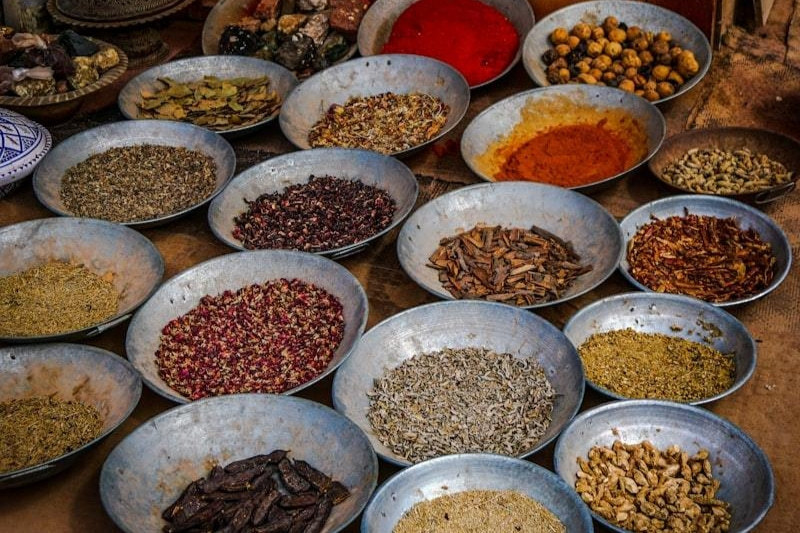
What Does "FDA-Compliant" Mean for a Spice Packaging Machine?
Why Spices and Seasonings Need Specialized Packaging Equipment
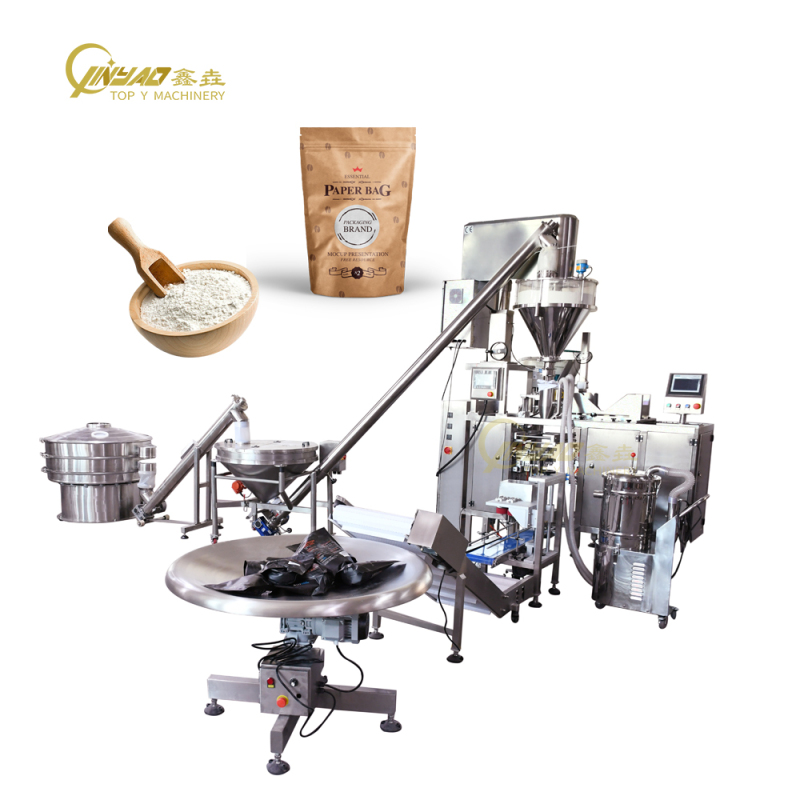
FDA Compliance Checklist: 10 Points to Verify Before You Buy
1. Food-grade stainless steel
2. FDA-grade seals and gaskets
3. Crevice-free hygienic design
4. Wash-down capability
5. Compliance documentation
6. Dust-tight construction
7. Accurate dosing system
8. Downstream food-safety integration
9. Material traceability
10. GMP factory audit
SS304 vs SS316: Which Stainless Steel Meets FDA Requirements?
Factor
SS304 (18/8 Stainless)
SS316 (with Molybdenum)
Composition
18% chromium, 8% nickel
16–18% chromium, 10–14% nickel, 2–3% molybdenum
FDA food-contact suitability
Yes — standard food grade
Yes — standard food grade
Corrosion resistance
Good for dry, low-moisture spice powders
Superior against chlorides, salt, acids, and spice oils
Best suited for
Dry powders: paprika, turmeric, cumin, most ground seasonings
High-salt seasonings, chili products, vinegar-based blends, humid wash-down environments
Weldability / polishability
Excellent; easy to polish for hygienic surfaces
Excellent; slightly higher cost
Typical cost impact
Baseline
Approximately 15–25% higher for contact parts
Recommended for CIP/wash-down
Acceptable
Preferred in high-chloride cleaning regimes
Hygienic Design: Features FDA Auditors Expect to See
TOP Y MACHINERY: FDA/CE/GMP-Compliant Spice Packaging Lines
TOP Y Doypack Spice & Powder Packaging Machine (TOPY-MDP1)
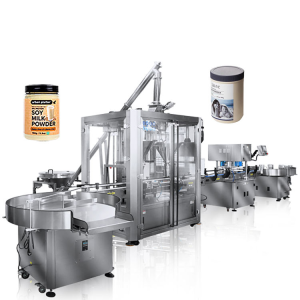
TOP Y Auger Spice Powder Filling Machine (TOPY-PFM)
Frequently Asked Questions
Does the FDA certify packaging machines?
SS304 or SS316 — which should I choose for spices?
Is a standard powder bagger safe for combustible spice dust?
What documentation should a supplier provide for FDA compliance?
Does TOP Y MACHINERY offer FDA-compliant spice packaging machines?
How often should a spice packaging machine be cleaned?
Choosing the Right FDA-Compliant Spice Packaging Machine